





You post on Monday. You skip Tuesday because a customer called. By Thursday you’re scrolling Instagram for “inspiration” and an hour disappears. Sound familiar?
Social media management for small businesses shouldn’t feel like a second job. When it’s done right, it brings in leads, builds trust, and keeps your brand visible without eating your week. This guide shows you how to stop the busywork and build a system that gets results.
What Is Social Media Management For Small Businesses?
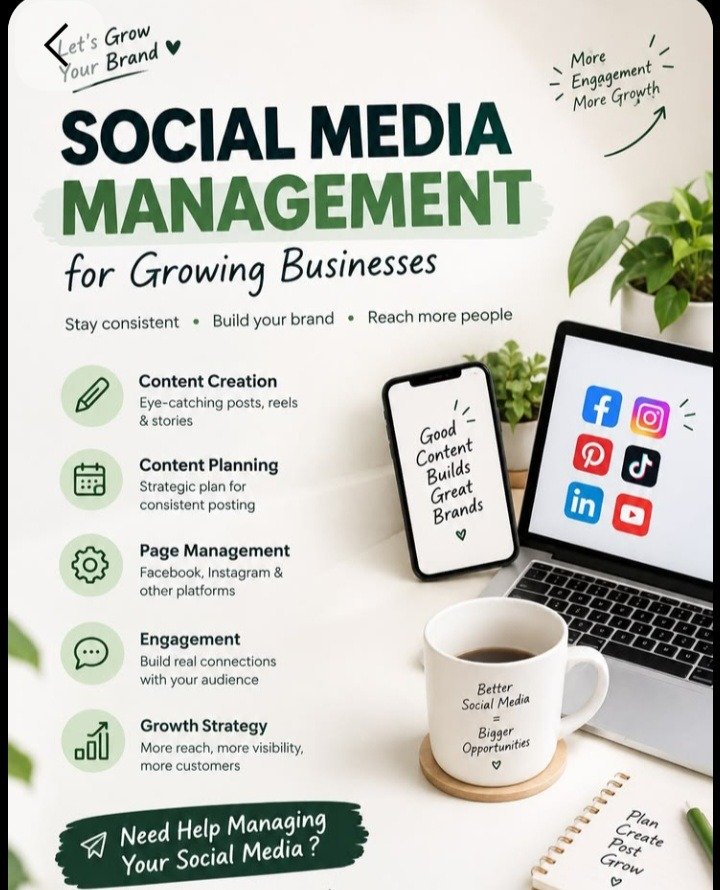
It’s the ongoing process of planning, creating, scheduling, publishing, and monitoring content on social platforms, plus engaging with your audience and measuring results, all aimed at growing your business.
Why Most Small Businesses Waste Time on Social Media
Most owners aren’t failing because they’re lazy. They’re failing because they have no system. The common time-wasters look like this:
● Posting without a goal. If you can’t say what a post is supposed to achieve, it probably won’t achieve anything.
Focused keyword: Social media management for small businesses.
● Being on every platform. Spreading yourself across five networks means doing all of them badly.
● Creating content from scratch every day. Starting with a blank screen daily is exhausting and slow.
● Ignoring messages and comments. Engagement is where followers turn into customers, and many businesses leave it for “later.”
● Never checking the numbers. Without reviewing what works, you keep repeating what doesn’t.
The fix is not to work harder. It’s to work with structure.
Step 1: Set One Clear Goal
Before you post anything, decide what social media is for in your business. Pick one main goal for the next 90 days, such as:
● Generating leads or booking requests
● Driving traffic to your website
● Building local awareness
● Growing a loyal community that refers others
Your goal decides what you post, where you post, and how you measure success. A business chasing leads needs different content than one chasing awareness.
How Much Time Should A Small Business Spend On Social Media Each Week?
Many small businesses can get solid results with three to five hours a week by batching content, scheduling posts, and setting aside a few minutes daily for replies.
The right amount depends on your goals and how many platforms you use.
Step 2: Choose One or Two Platforms, Not Five
Go where your customers already spend time. A local service business may do well on Facebook and Instagram. A B2B company may get more from LinkedIn. A product brand with strong visuals may lean on TikTok and Instagram.
Master one or two platforms first. If you’re unsure how social fits with your wider marketing, Stratvora’s guide, What Is Digital Marketing? A Complete Guide for Small Business Owners, explains how each channel works together so you can prioritize wisely.
Step 3: Build A Simple Content Plan
A content plan removes the daily question of “what should I post?” Start with three to four content pillars that repeat. For example:
● Educational: tips, how-tosh, and answers to common customer questions
● Proof: reviews, case studies, before-and-after results
● Behind the scenes: your team, your process, your story
● Offers: promotions, new services, and clear calls to action
Then plan two to four weeks at a time. Moreed Digital Solutions covers this well in their 2026 social media marketing playbook, which walks through platform selection, content planning, and paid promotion in a structured way.
Step 4: Batch Your Content And Schedule It
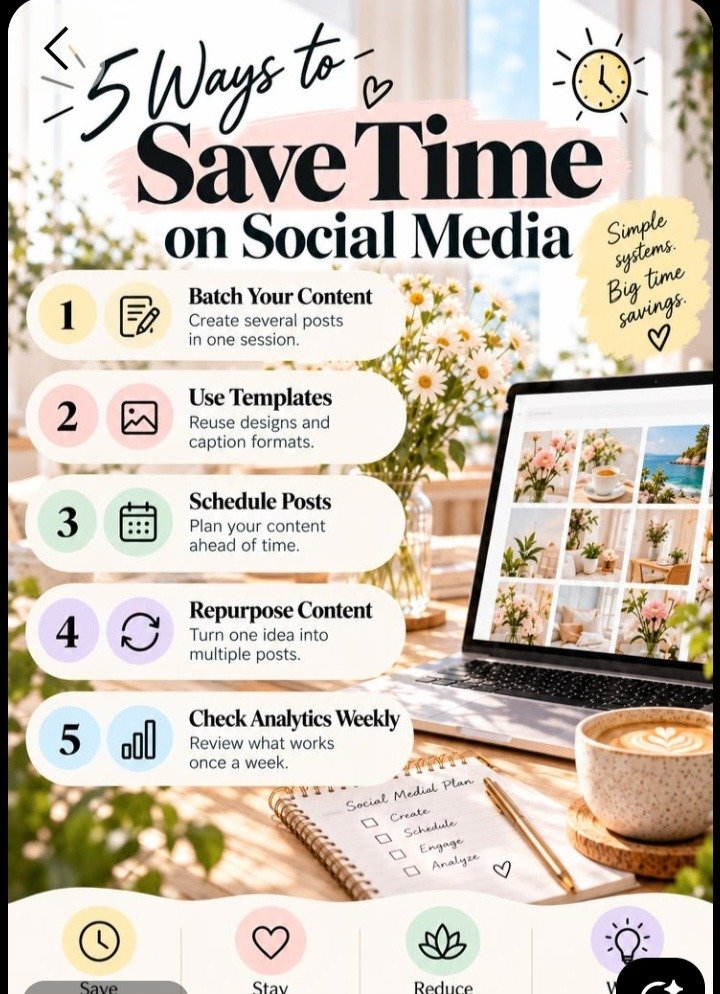
Batching is the biggest time-saver in social media management. Instead of creating something every day, set aside one block each week or month to:
- Write all your captions
- Shoot photos and short videos in one session
- Design graphics in one sitting
- Schedule everything in a scheduling tool
Two to three hours of focused batching can replace five hours of scattered daily posting. Then spend 10 to 15 minutes a day on the part that can’t be scheduled: replying to comments and messages.
Step 5: Engage Like A Business, Not A Billboard
Social media is a conversation. Customers judge you by how quickly and warmly you reply. Build these habits:
● Respond to comments and DMs within a few hours
● Thank people who tag you or leave reviews
● Ask questions in your posts to start conversations
● Follow and interact with local businesses and customers
Engagement tells the algorithms your content matters, and it tells people there’s a real human behind the brand.
Step 6: Connect Social Media To Your Search Presence
Social media works best when it supports your Google visibility, not when it stands alone. Your social profiles, website, and local listings should all tell the same story. If you serve a local area, it affects whether customers find you in Maps and local search.
For local tactics that pair well with social, read Moreed’s guide to local SEO in digital marketing. To understand how organic efforts compare with ads, see Stratvora’s breakdown of SEO vs Paid Ads: Which Is Better for Your Small Business in 2026?
How Often Should A Small Business Post on Social Media?
Consistency matters more than volume. Aim for a schedule you can keep, such as three to five posts a week on your main platform, and increase only when you can maintain quality.
Step 7: Decide When To Boost or Run Paid Ads
Organic reach alone is limited. A small, focused ad budget can put your best content in front of the right people. Before you spend, understand where your money works hardest. Stratvora’s article, Google Ads vs Facebook Ads: Which Platform Should Your Small Business Use?, helps you choose between searchers who already want what you sell and social audiences you can introduce your brand to.
Start small, test two or three creative options, and put more money behind what works.
Step 8: Track a Few Numbers That Matter
Ignore vanity metrics like total likes. Review these monthly:
● Reach and impressions: are the right people seeing your content?
● Engagement rate: are they interacting with it?
● Link clicks and website visits: is social sending people to you?
● Leads and sales: are followers becoming customers?
Keep what works, drop what doesn’t, and adjust your plan each month. Even a 30-minute monthly review beats guessing.
Which social media platform Is best For small businesses?
It depends on your audience. Facebook and Instagram suit many local and consumer businesses, LinkedIn suits B2B, and TikTok suits brands with strong short-form video content. Start with one or two and expand later.
Is It Worth Hiring Someone To Manage My Social Media?
It’s worth it when social media is taking time away from running your business, or when you’re posting but not seeing leads. An agency also helps when social needs to work alongside SEO, ads, and your website.
Should You DIY, Hire a Freelancer, or Hire an Agency?
This depends on your time, budget, and growth goals.
DIY works if you have a few hours a week and enjoy it. It’s a sensible start for very small budgets, and Moreed’s guide to digital marketing for small businesses breaks down where to find help at each stage.
A freelancer can fit a limited budget, though you’ll usually need to coordinate strategy yourself.
An agency brings strategy, content, design, ads, and reporting under one roof. That matters when social media is one piece of a bigger plan that includes your website and SEO. Not sure if you’ve outgrown DIY? Read 10 Signs Your Business Needs to Hire a Digital Marketing Agency.
Cost is a fair concern, and Stratvora’s full digital marketing pricing breakdown for 2026 helps you set a realistic budget before you talk to anyone.
Common Social Media Management Mistakes To Avoid

● Posting inconsistently, then disappearing for weeks
● Copying big brands instead of speaking to your own customers
● Selling in every post with no value in between
● Skipping a clear call to action
● Treating social media as separate from your website and SEO
● Expecting overnight results from a few weeks of effort
Social media is a long game. Consistency, relevance, and engagement compound over months.
How Long Does It Take To See Results From Social Media?
Engagement can improve within weeks, but meaningful growth in leads and sales usually takes a few months of consistent effort. Treat it as a long-term channel and review your numbers monthly.
Let Stratvora Handle Your Social Media Management.
If you’d rather spend your time running your business than chasing trends, Stratvora can take it off your plate. Stratvora is a full-service digital marketing agency serving small businesses across the United States, combining social media, performance marketing, SEO, and website design into one growth partnership. No juggling freelancers and no wasted posts, just a clear strategy built to generate leads.
Ready to stop wasting time and start getting results? Book your free consultation with Stratvora today.