




If you’ve ever wondered what digital marketing is and whether it’s actually worth your time as a small business owner, you’re not alone.
Between SEO, social media, email campaigns, and paid ads, the term gets thrown around so often that its real meaning gets lost.
This guide breaks it down in plain English what digital marketing actually is, why it matters for small businesses, and how to build a strategy that brings in real customers, not just clicks.
By the end, you’ll understand exactly how digital marketing for small businesses works, which channels deserve your limited time and budget, and when it makes sense to bring in a full-service digital marketing agency instead of trying to do it all yourself.
What Is Digital Marketing?
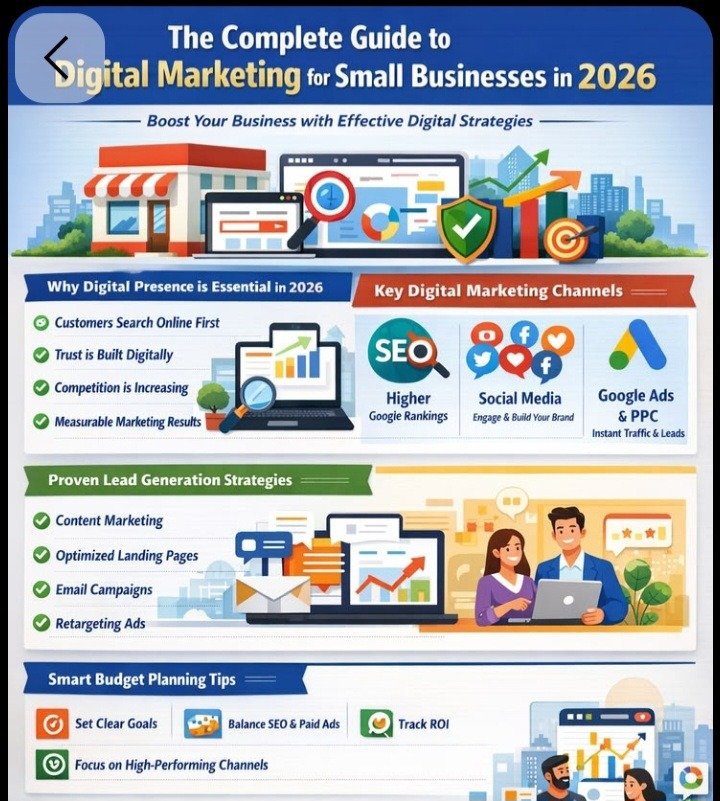
Digital marketing is the practice of promoting your business, products, or services using digital channels, search engines, social media, email, websites, and paid ads instead of traditional methods like print, TV, or radio.
In simple terms, it’s how businesses reach customers where they already spend most of their time: online.
Unlike a billboard or a newspaper ad, digital marketing is measurable. You can see exactly how many people saw your ad, clicked your link, visited your website, and became paying customers.
That level of visibility is one of the biggest reasons small businesses have shifted so much of their marketing budget online over the past decade.
● At its core, digital marketing includes:
Search Engine Optimization (SEO) ranking higher on Google so customers find you organically
● Pay-Per-Click Advertising (PPC): running paid ads on Google, Facebook, or Instagram
Social Media Marketing building an audience and engaging customers on platforms like Instagram, TikTok, and LinkedIn
● Content Marketing blog posts, videos, and guides that attract and educate potential customers
● Email Marketing: nurturing leads and repeat customers directly in their inbox
● Website Design and Conversion Optimization turning website visitors into paying customers
Each of these works differently, but they all share the same goal: getting your business in front of the right people at the right time.
Is Digital Marketing Necessary for Small Businesses?
Yes. Most customers search online before making a purchase decision, so businesses without a digital presence risk losing customers to competitors who show up first.
Why Digital Marketing Matters For Small Businesses
Here’s the reality: your customers are already searching for businesses like yours online. Whether it’s “plumber near me,” “best coffee shop in [city],” or “affordable web design services,” people turn to Google and social media before they ever pick up the phone.
If your business isn’t showing up in those searches, you’re handing customers to your competitors, even ones with a worse product or service than yours.
This is exactly why digital marketing for small businesses has become non-negotiable rather than optional. A few reasons it matters so much for smaller companies specifically:
● It levels the playing field: A well-optimized website and smart SEO strategy can help a small local business outrank a national competitor for local searches.
● It’s cost-effective: Unlike traditional advertising, you can start small and scale up as you see results, rather than committing to a large upfront spend.
● It’s measurable: You’ll know exactly what’s working, which ads convert, which blog posts drive traffic, and which channels bring in the most revenue.
● It builds long-term visibility: SEO and content marketing compound over time, meaning the work you do today keeps generating traffic and leads months or years later.
Small businesses that treat digital marketing as a core part of their growth strategy, not an afterthought, consistently outpace those that rely solely on word-of-mouth or foot traffic.
The Main Types Of Digital Marketing
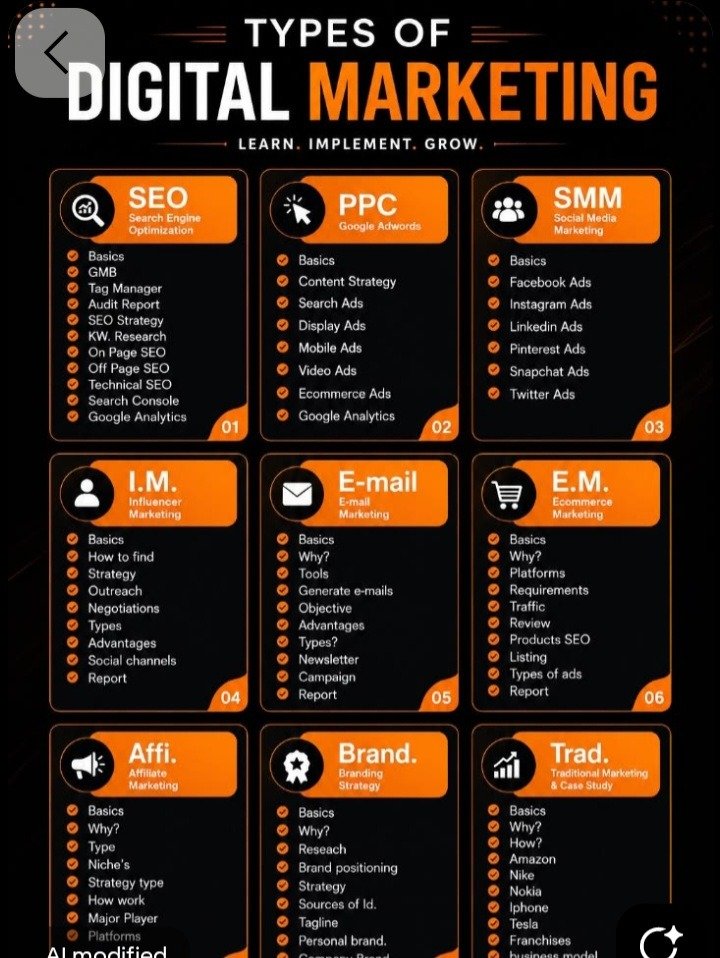
Understanding what digital marketing is also means understanding its individual pieces. Here’s a breakdown of the channels that matter most for small businesses.
1. Search Engine Optimization (SEO)
SEO is the process of improving your website so it ranks higher in Google’s search results for terms your customers are actually searching. This includes optimizing your site’s content, structure, page speed, and building credibility through backlinks.
Because SEO drives free, ongoing traffic, it’s often considered the highest ROI digital marketing channel for small businesses over time. Stratvora’s SEO services page breaks down exactly what this process looks like in practice.
2. Pay-Per-Click Advertising (PPC)
PPC lets you place ads at the top of search results or across social media, and you only pay when someone clicks.
Platforms like Google Ads make it possible to launch a campaign in a single afternoon, which makes PPC a fast way to generate leads while your SEO strategy builds momentum in the background.
3. Social Media Marketing
Platforms like Instagram, Facebook, TikTok, and LinkedIn allow small businesses to build relationships with customers, showcase products, and drive traffic back to their website. Consistency and content quality matter more here than posting frequency alone.
4. Content Marketing
Blog posts, videos, guides, and case studies help establish your business as a trusted authority in your industry. As Southern New Hampshire University notes, good content should provide value to the consumer first, rather than simply advertising a brand or pushing a sale.
Southern New Hampshire University Good content also supports your SEO efforts, since search engines reward websites that consistently publish helpful, relevant information, something Stratvora covers regularly on its digital marketing blog.
5. Email Marketing
Email remains one of the highest-converting digital channels because you’re speaking directly to people who already know your business. Promotions, newsletters, and automated follow-ups keep your business top of mind.
6. Website Design and Conversion Optimization
Your website is often a customer’s first real impression of your business. A slow, outdated, or confusing website will undo the results of every other marketing effort.
A well-built site turns visitors into leads and leads into paying customers; this is the exact focus of Stratvora’s website design and development services.
How Much Should A Small Business Spend On Digital Marketing?
It varies by industry and goals, but many small businesses start with a modest monthly budget split between SEO, a strong website, and one paid advertising channel, then scale up based on results.
Digital Marketing vs. Traditional Marketing
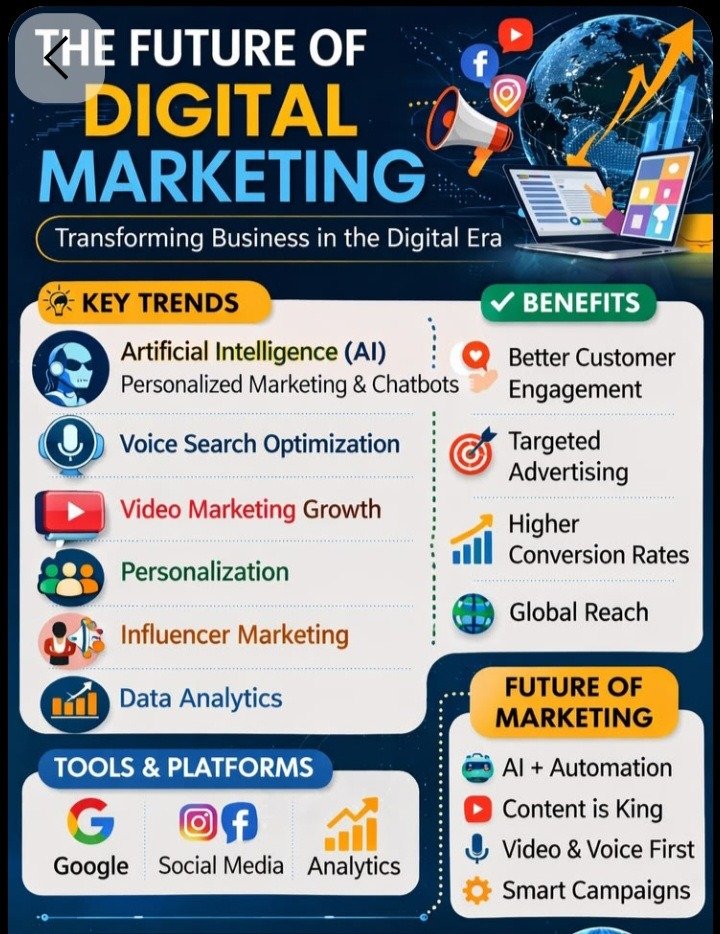
Traditional marketing print ads, TV commercials, billboards, and radio spots still has a place, but it comes with real limitations for small businesses: high costs, difficult tracking, and broad targeting that often reaches people who will never become customers.
Digital marketing flips that model. You can target a specific audience by location, interest, age, or even past behavior, and you’ll know within days (sometimes hours) whether a campaign is working.
According to Adobe’s overview of digital marketing basics, digital channels are used to boost brand awareness, drive traffic, and hit marketing goals by connecting brands to potential customers via the internet (Adobe), precisely the kind of precision and accountability small business budgets need.
How To Build A Digital Marketing Strategy For Your Small Business
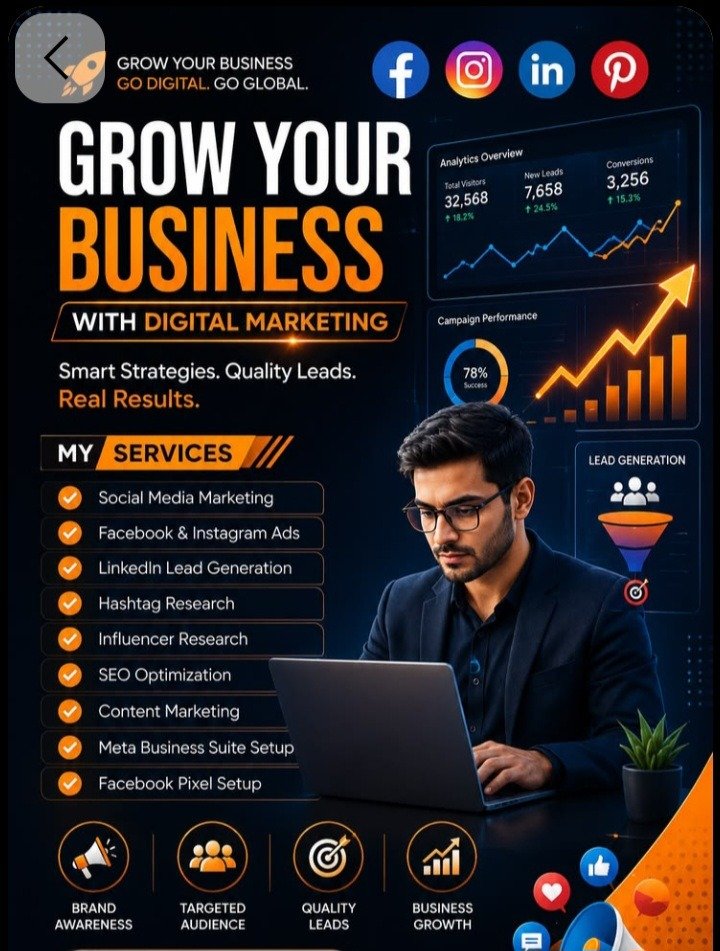
If you’re starting from scratch, here’s a simple framework to follow:
1. Define your goals: More website visitors? More phone calls? More online sales? Your goals determine which channels deserve your attention first.
2. Know your audience: Understand who your ideal customer is, where they spend time online, and what problems they’re trying to solve.
3. Build a strong website foundation: Before investing heavily in traffic, make sure your website is fast, mobile-friendly, and built to convert visitors into leads.
4. Prioritize SEO early: Even if you invest in paid ads, SEO builds long-term, sustainable traffic that doesn’t disappear the moment you stop paying for it.
5. Create consistent content: Whether it’s blog posts, social media, or email newsletters, consistency builds trust and keeps your business visible. For inspiration, Stratvora’s blog publishes regular breakdowns of what’s working in small business marketing right now.
6. Track everything: Use analytics to see what’s actually driving leads and sales, then double down on what works.
7. Adjust as you grow: Digital marketing isn’t “set it and forget it.” Strategies need regular review and refinement based on real performance data.
Common Digital Marketing Mistakes Small Businesses Make
Even well-intentioned business owners run into the same pitfalls:
● Trying to do everything at once instead of focusing on one or two high-impact channels first
● Neglecting the website while spending heavily on ads that send traffic to a slow or outdated site
● Ignoring SEO because results take longer than paid ads, even though it delivers better long-term value
● Inconsistent content or posting, which signals to both customers and search engines that the business isn’t active
● Not tracking results, making it impossible to know what’s actually generating revenue
Avoiding these mistakes alone can put a small business ahead of many local competitors.
When To Hire A Full Service Digital Marketing Agency
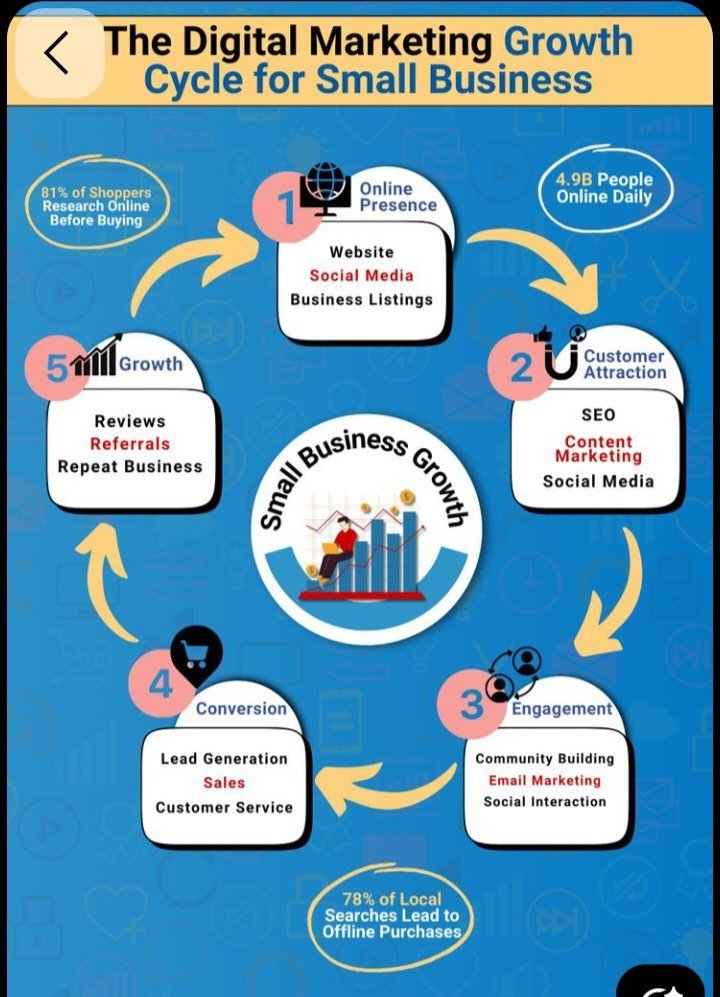
Many small business owners start out managing their own marketing and that’s a smart way to learn the basics. But there’s a point where DIY marketing starts costing more in wasted time and missed opportunities than it would to bring in professional help.
A full service digital marketing agency manages everything under one roof: SEO, website design, paid advertising, content, and ongoing strategy so you’re not juggling five different freelancers or platforms with no cohesive plan.
This is exactly the model Stratvora was built around. Rather than offering one-off services, Stratvora functions as an extension of your business, combining digital marketing services, SEO services, and website design and development into a single, coordinated growth strategy focused on measurable results.
If you’re a local service provider, contractor, medical practice, law firm, or growing e-commerce brand trying to figure out where to even start, it’s worth exploring what a dedicated team can do for you. You can browse real examples of past work on the Stratvora projects page, learn more about the team on the About page, or read more marketing insights on the Stratvora blog.
Should I Hire An Agency Or Handle Digital Marketing Myself?
If you have the time to learn and manage multiple channels consistently, DIY can work early on.
But as your business grows, a full-service agency often delivers faster, more consistent results without stretching your time thin.
Final Thoughts
Understanding what digital marketing is the first step; actually building a strategy around it is what drives real growth.
Whether you’re just getting started or looking to scale an existing effort, the businesses that treat digital marketing as an ongoing investment, rather than a one-time project, are the ones that consistently win more customers.
If you’d rather have a dedicated team handle your SEO, website, and marketing strategy instead of piecing it together yourself, reach out to Stratvora for a free consultation and see what a coordinated growth plan could look like for your business.


2 Responses