








If you run a small business, you have probably heard that you “need to be creating content.” But what is content marketing, really, and is it worth your limited time and budget?
However, content marketing is a cost-effective way for a small business to attract customers, build trust, and grow without ads.
This guide explains what it is, why it works, and how to build a content strategy for growth that fits a small team.
What Is Content Marketing In Simple Terms?
Content marketing means creating helpful, relevant content, such as blog posts, videos, and emails, to attract and keep customers instead of relying only on direct advertising.
The goal is to build trust and encourage people to choose your business when they are ready to buy.
What Is Content Marketing?
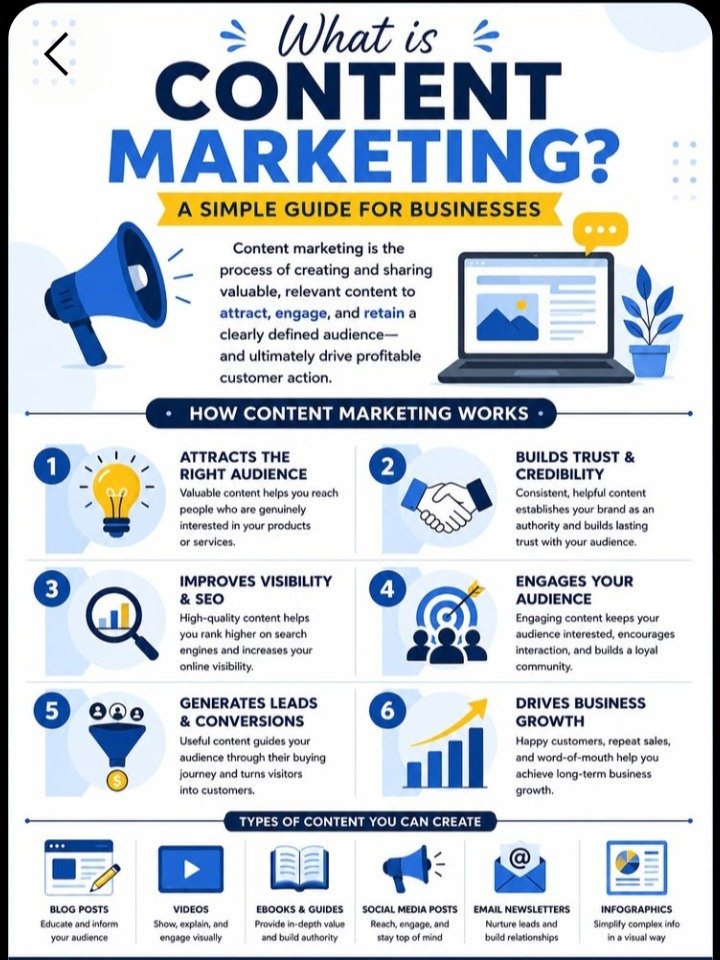
Content marketing is a strategic approach to creating and sharing valuable, relevant, and consistent content to attract and retain a clearly defined audience, and ultimately to drive profitable customer action. As the Content Marketing Institute explains, the focus is on providing useful information rather than pushing a direct sales pitch.
Traditional advertising interrupts people. Content marketing helps them. Instead of shouting “buy from us,” you answer questions, solve problems, and demonstrate expertise. When the customer is ready to buy, your business is already the one they know and trust.
Content marketing is also one piece of the bigger picture. If you are new to the wider landscape, this complete guide to digital marketing for small business owners from Stratvora shows how content sits alongside SEO, social media, and paid advertising.
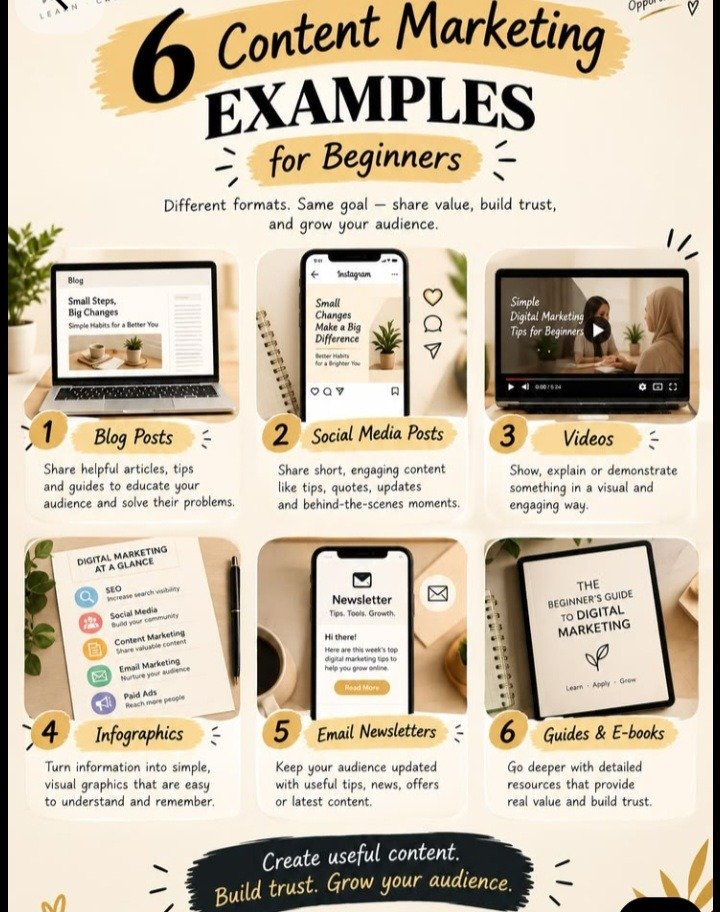
Content marketing can take many forms:
● Blog posts and long-form articles
● Videos and short-form clips
● Podcasts
● Email newsletters
● Social media posts
● Case studies and customer stories
● Guides, checklists, and e-books
Info graphics and webinars
The format matters less than the purpose. Every piece should serve a real need your audience has.
Is Content Marketing Worth It For A Small Business?
Yes. Content marketing for small businesses is cost-effective, builds long-term visibility, and helps you compete with larger brands by showcasing your expertise. It takes consistent effort and patience, but the results compound over time.
Why Content Marketing For Small Business Works So Well
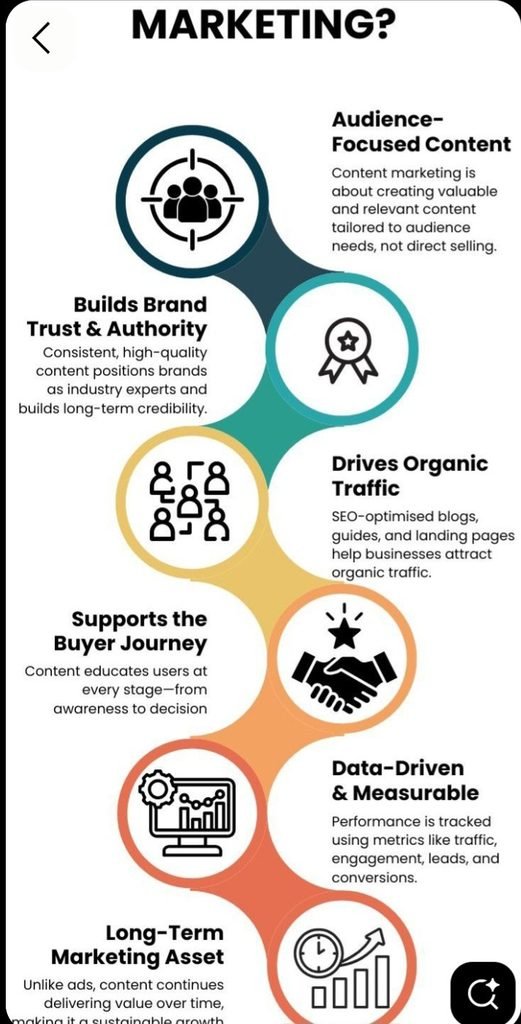
So Well
Large companies can outspend you on ads. They cannot easily out compete you on helpfulness, personality, and local or niche expertise. That is where content marketing for small businesses shines.
1. It builds trust before the sale
People rarely buy from a business they have never heard of. When someone reads your helpful guide or watches your tutorial, they begin to see you as an expert. That familiarity shortens the sales cycle and makes customers more comfortable choosing you.
2. It compounds over time
A paid ad stops working the moment you stop paying. A well-written article can attract visitors for months or years. Each new piece adds to your library, and your traffic and authority grow together. Think of it as building an asset rather than renting attention.
3. It improves your search visibility
Search engines reward websites that publish helpful, original content. Google’s own guidance on creating helpful, people-first content stresses writing for people, not algorithms.
When you consistently answer the questions your customers search for, you earn more organic traffic without paying per click.
If you are wondering why SEO matters this much, Stratvora breaks it down in What Is SEO for Small Businesses and Why Your Business Actually Needs It.
4. It lowers your cost of acquiring customers
Content takes time and thought, but it usually costs far less than sustained paid advertising. For small businesses with tight budgets, that makes it one of the highest-return marketing investments available.
5. It supports every other channel
Your content feeds your email list, social media, sales conversations, and even your ads. One solid article can become five social posts, a short video, and an email, so your effort goes further.
How Content Marketing Grows A Small Business
Let’s look at how content turns into actual growth, step by step.
Attracting new visitors. Educational content such as how-to guides, comparisons, and answers to common questions brings in people who are actively searching for solutions you provide.
Capturing leads. Valuable resources like a free checklist, template, or newsletter give visitors a reason to share their email address. That list becomes an audience you own, independent of any social platform.
Nurturing relationships. Regular emails, helpful posts, and stories keep your business in front of people until they are ready to buy.
Converting customers. Case studies, testimonials, product explained, and FAQs remove doubt at the decision stage. They answer the objections your buyers already have.
Retaining and growing customers. Content does not stop at the sale. On boarding guides, tips, and updates help customers get more value, return more often, and refer others.
This path from awareness to loyalty is the engine behind a strong content strategy for growth.
Building A Content Strategy For Growth
A content strategy is your plan for what you will create, for whom, why, and how you will measure success. Without one, content becomes random posting. With one, every piece pulls its weight.
For a practical, localized walkthrough, Moreed Digital Solutions has a useful step-by-step content marketing strategy guide for Nigerian businesses that covers goal setting, planning, and ranking. Its principles apply to small businesses anywhere.
Step 1: Define Clear Goals
Start with what you want content to achieve. Common small business goals include more website traffic, more qualified leads, higher sales, or stronger brand awareness. Choose one or two main goals and attach a number and time frame, for example “increase monthly leads from 20 to 40 in six months.”
Content works best when it sits inside a wider plan. Moreed explains how to build one in What Is a Digital Marketing Strategy? And How to Build One From Scratch.
Step 2: Know Your Audience Deeply
Describe your ideal customer in detail: their problems, questions, budget, and where they spend time online. The best way to do this is to talk to real customers. Ask what nearly stopped them from buying and what they wish they had known earlier. Those answers are a goldmine of content ideas.
Step 3: Research Topics And keywords
Find out what your audience actually searches for. Free tools like Google’s auto complete, “People also ask” boxes, and Google Search Console reveal real questions. Aim for a mix of topics:
● Beginner questions (for example, “what is content marketing”)
● Problem-solving guides
● Comparison and “best way to” posts
● Bottom-of-funnel content like pricing explained and case studies
You do not need a big software budget to do this well. Moreed lists the best free SEO tools for keyword research and site audits that small businesses can start using today.
Step 4: Choose Your Formats And Channels
You do not need to be everywhere. Pick one or two formats you can sustain. A local service business might focus on blog posts and short videos. A B2B consultancy might favor LinkedIn articles and a newsletter. Consistency beats volume, and doing two things well beats doing six things poorly.
Step 5: Build A Simple Content Calendar
Plan your content a month at a time. A realistic small business calendar might include:
● One long blog post every two weeks
● Two to three social posts per week repurposed from that article
● One email newsletter per month
● One customer story each quarter
Write it down, assign owners, and set deadlines. A modest schedule you actually follow is better than an ambitious one you abandon.
Step 6: Create Genuinely Helpful content
Quality is your competitive edge. Make each piece specific, practical, and original. Use real examples from your business, share what you have learned, and be honest. Avoid fluff and filler. If a reader can finish your article and take a useful action, you have done your job.
Step 7: Promote what you create
Publishing is only half the work. Share content on social media, send it to your email list, mention it in sales conversations, and ask partners or industry contacts to share it. A strong brand also makes your content easier to recognize and trust, which is why brand identity design for small businesses deserves a place in your plan.
Step 8: Measure, Learn, And Improve
Track the numbers that connect to your goals. These typically include organic traffic, time on page, email sign-ups, leads generated, and conversions. Review them monthly. Double down on topics and formats that perform and retire the ones that do not.
How Long Does Content Marketing Take To Work?
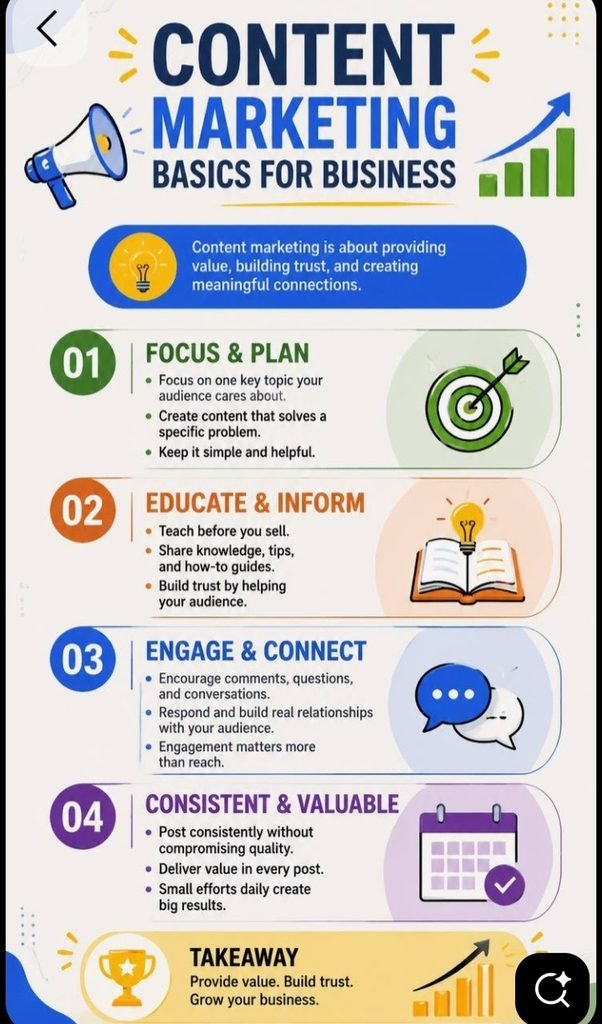
This is the question every business owner asks, and the honest answer is that it takes patience. Content marketing is closer to planting a tree than flipping a switch. Because so much of its value comes from search visibility, the timeline is similar to SEO. Stratvora’s guide on how long SEO takes to work, with real timelines and numbers sets realistic expectations, so you do not give up before results appear.
In general, expect early signals such as impressions, engagement, and sign-ups within a few months. Larger gains in leads and revenue usually follow after six months or more of consistent publishing.
How Long Does It Take To See Results from Content Marketing?
Most businesses begin to see early signs, like more traffic and engagement, within three to six months. Stronger results in leads and sales often take six to twelve months, depending on your industry, competition, and consistency.
Content Marketing Mistakes Small Businesses Should Avoid
Even well-intention ed efforts can stall. Watch out for these common pitfalls:
● Writing about yourself instead of your customer. Your audience cares about their problems first.
● Posting inconsistently. Long gaps erode momentum and trust.
● Ignoring SEO basics. Great content that nobody can find does not help your business.
Skipping a call to action. Every piece should guide readers to a next step, whether that is subscribing, booking a call, or reading a related article.
● Expecting overnight results. Most businesses see meaningful traction over several months, not days.
● Never updating old content. Refreshing outdated posts can boost performance faster than writing new ones.
Content Marketing Ideas for Small Businesses
Not sure where to begin? Here are practical ideas you can use right away:
● Answer your top ten customer questions.
● Turn each question you hear repeatedly into a short article or video.
● Share behind-the-scenes stories. Show how your product is made or how your team works.
● Publish case studies. Explain a customer’s problem, your solution, and the result.
● Create a local or niche guide. If you serve a specific area or industry, become its go-to resource.
● Host a short webinar or live Q&A. Real-time interaction builds strong relationships.
● Repurposed what already works. Turn a popular blog post into a video, a checklist, or a carousel.
Doing It Yourself or Getting Help
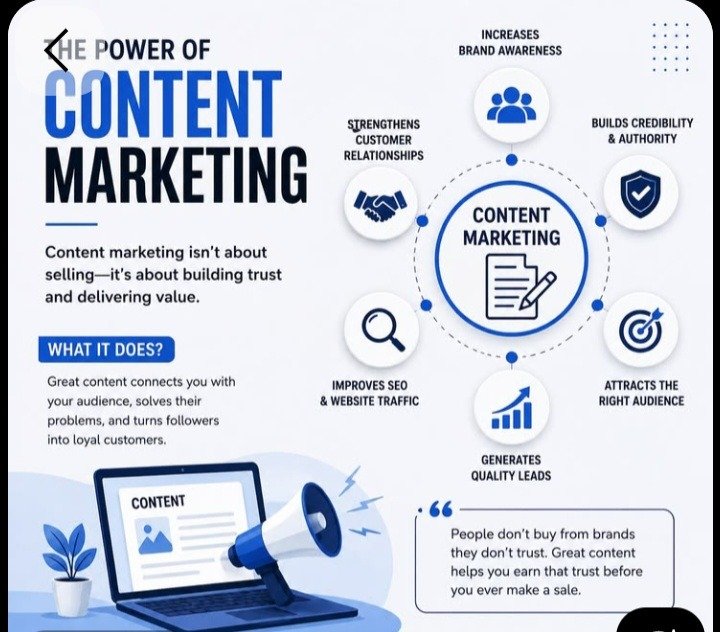
Many small business owners start by creating content themselves, which is a great way to stay close to customers. As you grow, time becomes the biggest constraint. You can hire freelancers, bring on a part-time marketer, or work with an agency.
Budget matters here, so it helps to know what you are comparing. Moreed’s breakdown of how much content writing costs: agency vs freelancer vs in-house lays out the real costs, including hidden ones. If you are weighing outside support more broadly, their comparison of a digital marketing agency vs a freelancer can help you decide which fits your growth goals.
Whichever route you choose, keep the strategy tied to business goals and make sure the content reflects your real expertise and voice.
How To Know If Your Content Marketing Is Working
Early on, look for leading indicators: rising impressions in search, more page views, growing email sign-ups, and increased engagement. Over time, track business results like qualified leads, sales conversations started by content, and revenue from customers who first found you through an article or video.
Review the data monthly, note what your best-performing pieces have in common, and let those patterns guide what you create next.
How Often Should A Small Business Publish Content?
Quality and consistency matter more than frequency. For most small businesses, one or two well-researched articles per month, plus regular social and email updates, is a realistic starting point. Increase the pace only if you can maintain quality.
Final Thoughts
So, what is content marketing? It is the practice of earning attention and trust by being genuinely useful. For a small business, it levels the playing field. You do not need a huge budget, just a clear understanding of your customers and a commitment to helping them consistently.
Start small. Define one goal, pick one audience problem, create one great piece of content, and promote it well. Then repeat. Over time, this steady approach builds a content strategy for growth that brings in traffic, leads, and loyal customers month after month.