






If you’ve ever typed “how long does SEO take” into Google at 11 p.m. while staring at a traffic graph that refuses to move, you’re not alone.
It’s one of the most searched questions in digital marketing, and most agencies give a vague, unsatisfying answer: “it depends.”
That’s technically true, but it’s not helpful. So let’s skip the vague part and go straight to the data.
The honest, data-backed answer: most websites start seeing measurable movement in 3 to 6 months, and meaningful, revenue-driving results in 6 to 12 months.
For competitive industries or brand-new domains, it can stretch to 12 months or longer. This isn’t a guess; it’s what large-scale studies of real ranking data show, and we’ll walk through the actual numbers below.
If you’re a small business owner trying to decide whether SEO is worth the wait, this article gives you the real SEO results timeline, the reasons behind it, and what you can actually do to speed things up.
How Long Does SEO Take To Show Results For A Small Business?
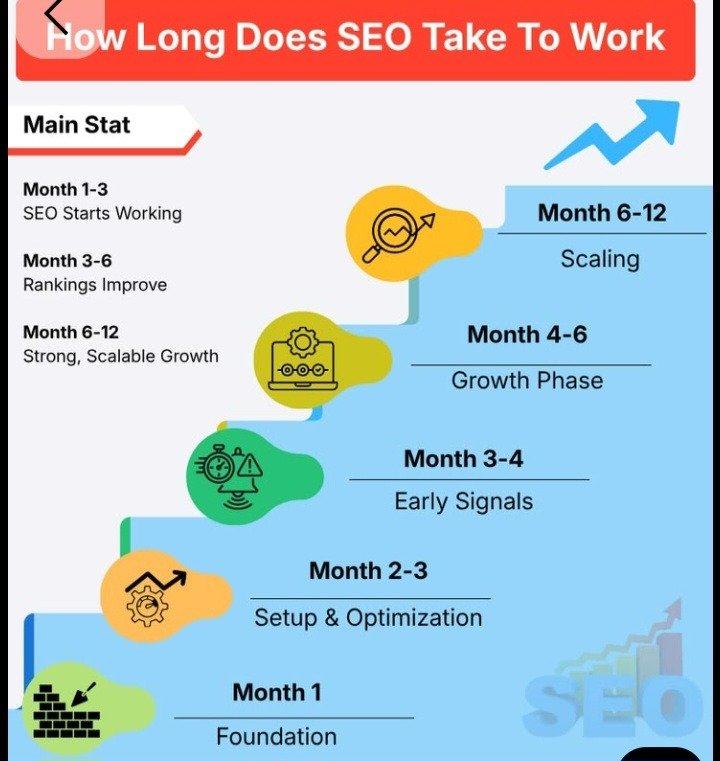
Most small businesses start seeing early signal impressions, minor keyword movement within 4 to 8 weeks, measurable ranking improvements around month 3 to 4, and meaningful traffic and lead growth between month 6 and 12.
Local SEO campaigns often move faster than national ones.
The Short Answer For Anyone In A Hurry
● Small tweaks (titles, meta descriptions): can be picked up by Google within days to a few weeks
● Early signals (impressions, indexing, minor keyword movement): 4 to 8 weeks
● First real ranking movement: 3 to 4 months
● Measurable traffic and lead growth: 6 to 12 months
● Page-one rankings for competitive keywords: 9 to 12+ months
● Compounding, durable results: ongoing, and this is where SEO starts to outperform paid ads
Now, here’s where those numbers actually come from.
What The Real Data Says About SEO Timelines
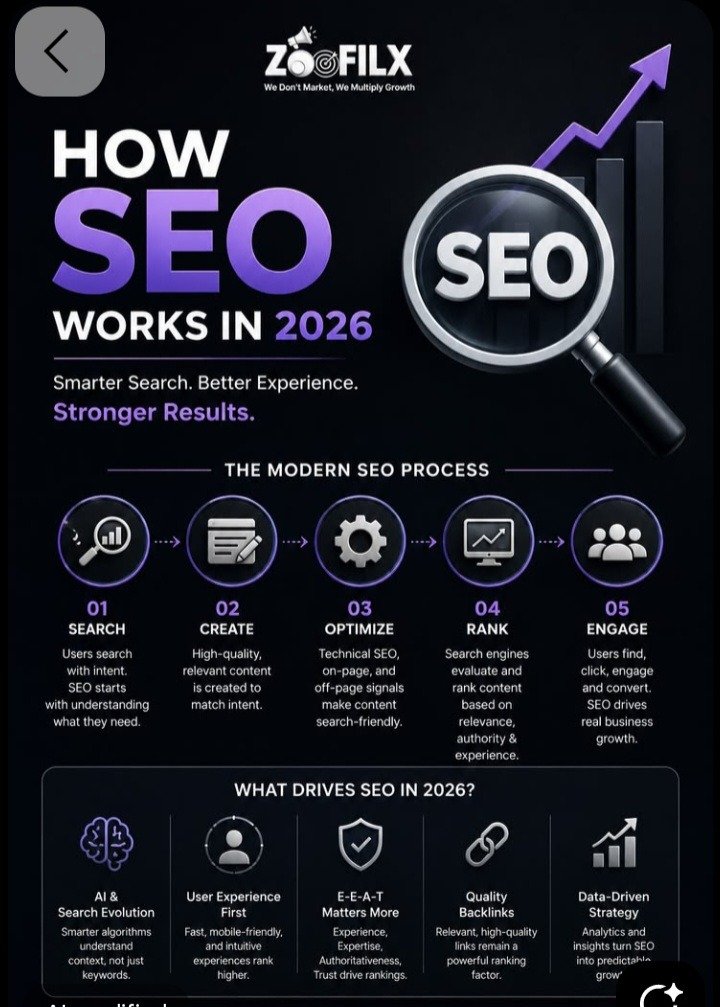
Most “how long does SEO take” articles quote opinions. Let’s quote research instead.
Ahrefs analyzed two million pages that were first crawled a year earlier, then tracked how many of them made it into Google’s top 10 results within that year.
Only 5.7% of the pages studied managed to reach the top 10 for at least one keyword within 12 months. Of that small group that did rank quickly, most got there in roughly 61 to 182 days, or about two to six months. The other 94.3%? Still waiting, or still working on it, a year later.
It gets more sobering. In Ahrefs’ updated study, only 1.74% of newly published pages reached the top 10 within their first year, down from 5.7% in the original 2017 study and the average number-one ranking page is now around 5 years old, more than double the age it took a few years back. Competition for search visibility has genuinely gotten tougher, not easier.
This lines up with what Google itself has said publicly. Former Google Webmaster Trends spokesperson Maile Ohye has explained that SEO practitioners generally need somewhere between four months and a year to implement changes and start seeing meaningful benefits (semrush) , a figure Google has repeated in various forms ever since.You can read more detail on that in Semrush’s breakdown of Google’s official statements on SEO timelines.
So when someone promises page-one rankings in 30 days, that’s not an optimistic timeline; it’s either a red flag or a keyword with basically no competition.
Why Is My SEO Not Working After 3 Months?
Three months is still early in a normal SEO results timeline. If Search Console shows rising impressions and new keyword variations, the campaign is likely on track.
If there’s no movement at all, the issue is usually a technical problem (indexing, site speed) or a keyword strategy that’s too competitive for the site’s current authority, not the timeline itself.
Why SEO Takes This Long, It’s Not Because SEO Is Slow
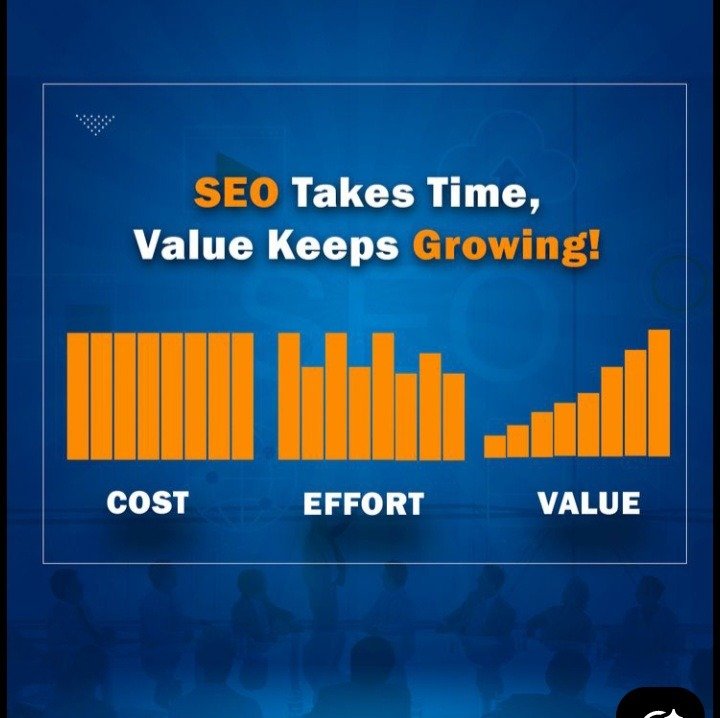
SEO isn’t slow because the work is inefficient. It’s slow because of what Google is actually measuring:
● Trust takes time to build. Backlinks, user engagement data, and topical authority accumulate gradually. A brand-new page has none of these signals on day one.
● Crawling and reprocessing isn’t instant. Google has to recrawl your pages, reprocess the content, and reassess where it belongs relative to competitors.
● Competitors aren’t standing still. The sites currently ranking on page one have often been building authority, backlinks, and content depth for years. You’re not just optimizing your site, you’re outcompeting theirs.
● Domain age and history matter. A site with a longer track record and consistent publishing history is viewed differently than a domain that appeared last month.
None of this means SEO doesn’t work. It means SEO is a compounding asset, more like an investment portfolio than a light switch.
The Month-by-Month SEO Results Timeline
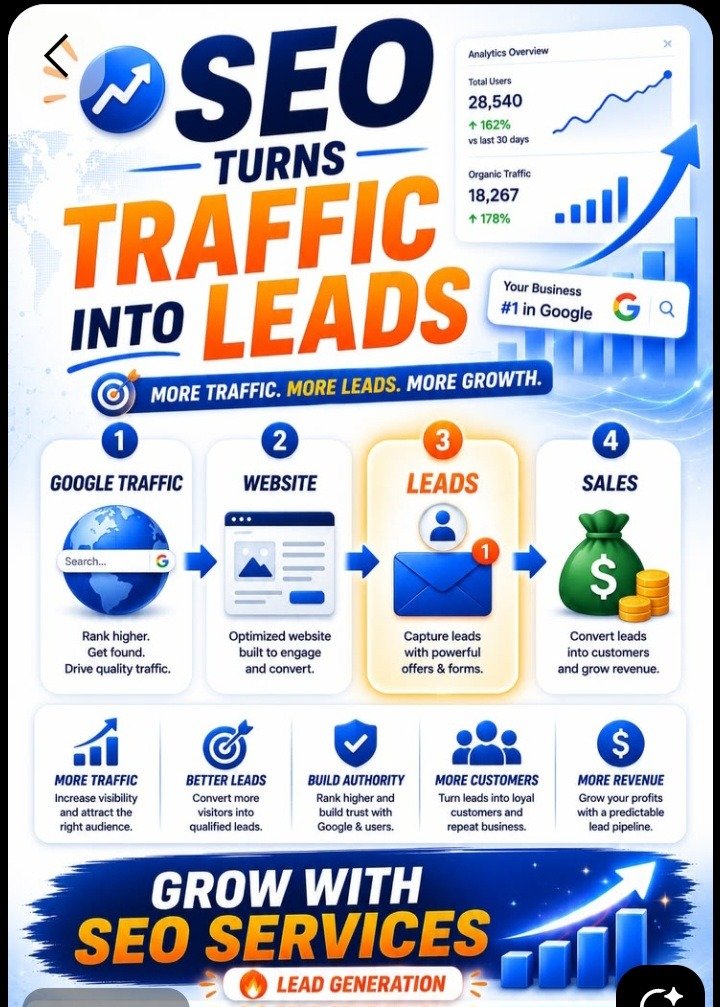
Here’s what a realistic timeline actually looks like in practice, broken down by phase.
Month 1–2:Foundation And Technical Fixes
This phase is mostly invisible to you but critical to everything after it. Technical SEO issues get fixed (site speed, indexing errors, mobile usability); keyword research and content strategy get mapped out, and on-page elements get optimized.
You might see small movements in Google Search Console impressions, but rankings and traffic typically haven’t shifted yet.
Month 3–4: Early Signals
This is where small businesses often start getting nervous, and where most give up too early. You’ll usually start to see:
● Increased impressions in Search Console
Long-tail keywords beginning to rank (page 2–3)
● Slight upward movement in branded and near-branded searches
This is normal. It’s also usually the point where new content starts getting indexed and Google begins reassessing your site’s relevance.
Month 5–7: Measurable Movement
By this stage, most sites that are doing the work consistently start to see real traction:
Keywords climbing toward page one, organic traffic beginning a clear upward trend, and the first conversions or leads directly attributable to organic search.
Local and small-business SEO tends to move faster in this window than national or highly competitive B2B campaigns.
Month 8–12: Compounding Results
This is where SEO starts to pay for itself. Rankings stabilize, traffic grows steadily rather than in short bursts, and content published earlier in the campaign starts generating its own momentum through backlinks and shares.
For many small businesses, this is the point where organic search becomes a real, ongoing source of leads rather than a hopeful experiment.
Month 12+: Market Authority
Beyond the first year, the goal shifts from getting found to owning the category. Rankings for competitive terms solidify, your site accumulates a genuine backlink profile, and the cost-per-lead from organic search typically becomes far lower than paid channels.
Can You Speed Up How Long SEO Takes To Work?
Yes, to a degree. Fixing technical issues early, publishing consistently, targeting realistic, lower-competition keywords first, and earning quality backlinks can all shorten the timeline.
However, no legitimate strategy can compress the full process into a few weeks, especially for competitive terms.
Factors That Speed Up Or Slow Down Your Timeline
Not every business follows the exact same clock. These variables push your timeline faster or slower:
What speeds things up:
● An existing website with some age and history (versus a brand-new domain)
● Low-to-medium competition keywords
Strong technical foundation from day one
Consistent, high-quality content publishing
● Local search focus (local SEO often shows results in 3–4 months versus 9–12+ for national campaigns)
● Existing backlinks or brand recognition
What slows things down:
● Brand-new domains with zero backlink history
● Highly competitive, high-search-volume keywords
● Inconsistent publishing or set-it-and-forget-it SEO
● Technical issues left unresolved (slow load times, poor mobile experience, indexing problems)
● Targeting keywords that are too broad or too competitive for the site’s current authority
If you want a realistic read on your own timeline, it usually comes down to an honest audit of where your site currently stands.
This is the kind of assessment the team at Stratvora typically starts with before setting any timeline expectations with a client.
Signs SEO Is Working, Even Before Rankings Show It
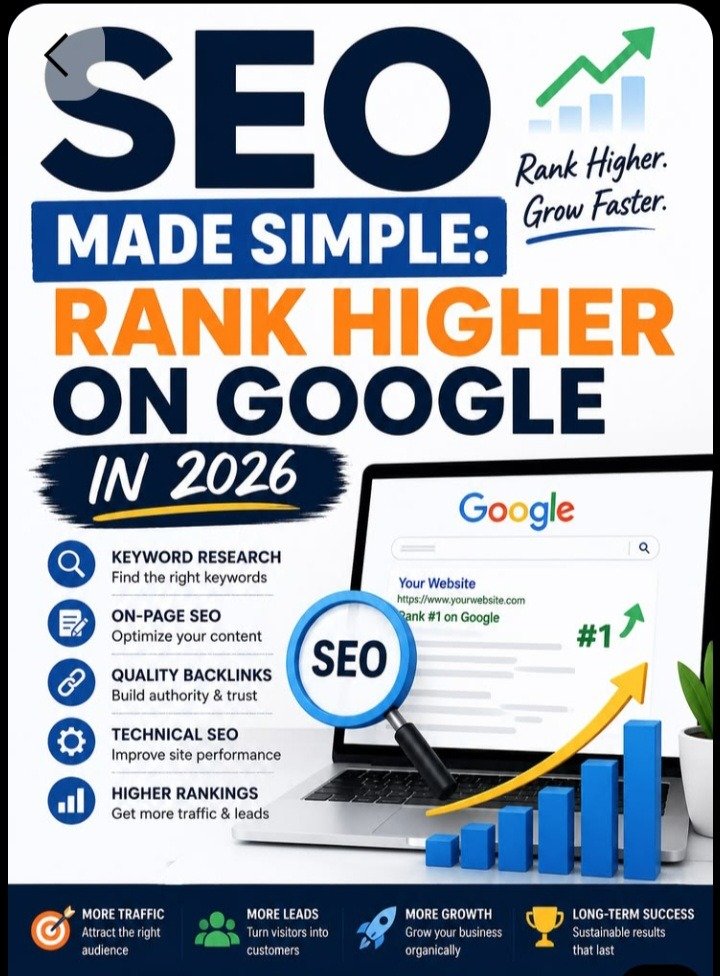
This is the part most articles skip, and it’s the part that keeps business owners from quitting at month 3. Before rankings and traffic visibly jump, look for these leading indicators in Google Search Console:
1. Rising impressions: your pages are being shown in search results more often, even if clicks haven’t caught up yet
2. New keyword variations appearing: Google is starting to understand what your pages are about
3. Improved crawl stats: fewer errors, faster indexing of new content
4. Click-through rate improvements even at the same position; better titles and descriptions can lift clicks
5. Position averages trending down (which is good), moving from position 45 to position 22 is real progress, even if it’s not page one yet
If none of these are moving after 4–6 months, that’s usually a sign of a strategy or technical problem, not a timeline problem.
Does SEO Take Longer For A Brand New Website?
Generally, yes. New domains have no backlink history, no engagement data, and no track record with Google, so they often take longer to build the trust signals that established sites already have.
This is sometimes referred to informally as a “sandbox” period, typically lasting a few months.
Common Mistakes That Delay Results

Small businesses often unintentionally add months to their own timeline by:
● Switching strategies too often: Changing direction every few weeks resets progress instead of compounding it
● Publishing inconsistently: A burst of content followed by silence tells Google (and your audience) that the site isn’t actively maintained
● Ignoring technical SEO: No amount of content fixes a site that’s slow, unindexed, or broken on mobile
● Targeting keywords beyond current site authority: competing for terms that require a Domain Rating your site doesn’t have yet
● Expecting paid-ad speed from an organic channel: SEO and PPC solve different problems on different timelines, and comparing them directly sets the wrong expectations
How Long Does Local SEO Take Compared To National SEO?
Local SEO campaigns typically show results faster, often within 3–4 months, because competition is limited to a specific geographic area.
National or highly competitive B2B campaigns usually take 9–12+ months due to the scale of competition involved.
So, Is SEO Worth The Wait?
Yes, and here’s the honest reasoning: paid ads stop working the moment you stop paying. SEO, once it compounds, keeps generating traffic and leads with a shrinking marginal cost.
A blog post or service page that took six months to rank can keep bringing in customers for years with minimal ongoing investment. That’s the trade-off: slower to start, but it builds an asset rather than renting attention.
For small businesses specifically, this matters even more because most local competitors either aren’t investing in SEO consistently or gave up around month 3–4. Staying the course past that point is often the single biggest competitive advantage available.
If you want a realistic, honest timeline for your specific business, rather than a generic promise, Stratvora’s SEO services start with a full site audit and competitive analysis before setting any expectations so you know exactly what month 3, 6, and 12 should realistically look like for your industry.