




Every small business owner eventually faces the same question: where should my limited ad budget go? The Google Ads vs Facebook Ads debate is one of the most common in digital marketing. Both platforms can bring in customers, but they work in very different ways.
This guide compares the two on intent, cost, targeting, and results, so you can decide which is the best advertising for small businesses like yours. If you are new to paid marketing, it helps to first understand what digital marketing is and how it works for small business owners.
Is Google Ads or Facebook Ads better For Small Businesses?
It depends on your business. Google Ads works best when customers actively search for your product or service. Facebook Ads works best for building awareness and reaching specific audiences. Many small businesses get the best results using both.

What Are Google Ads?
Google Ads is a pay-per-click (PPC) platform that places your business at the top of Google search results when people search for what you sell. You bid on keywords such as “plumber near me” or “buy running shoes online,” and you pay only when someone clicks your ad.
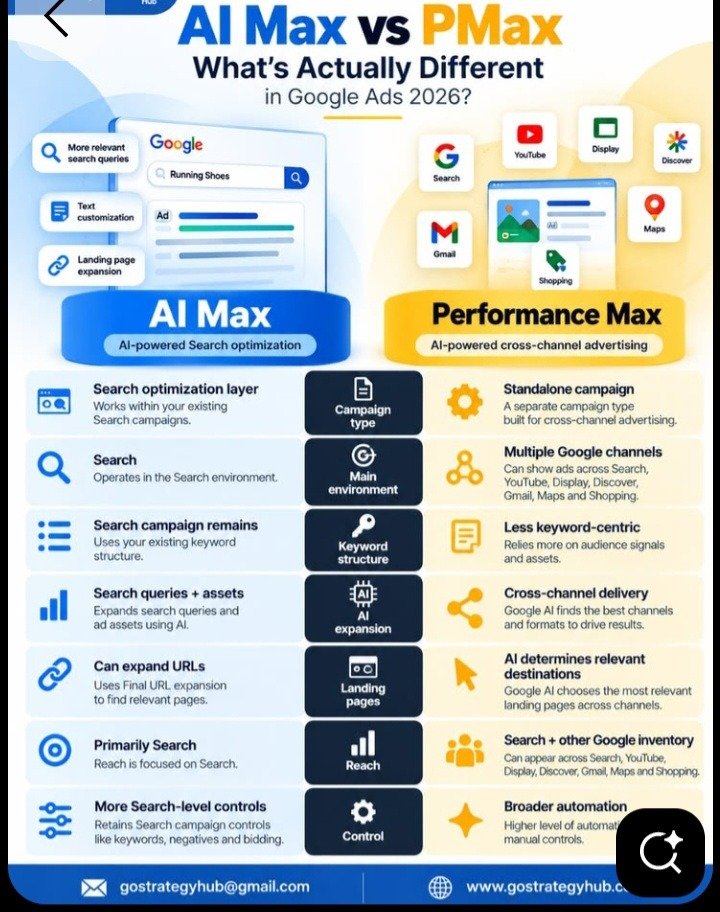
Google Ads also includes Display, YouTube, Shopping, and Performance Max campaigns. For most small businesses, though, search ads are the main draw.
What Are Facebook Ads?
Facebook Ads, run through Metal’s advertising platform, shows your promotions across Facebook, Instagram, Messenger, and the Audience Network. Instead of waiting for someone to search, you interrupt their scroll with an image, video, or offer.
Which Is Cheaper, Google Ads or Facebook Ads?
This is the core of the social media ads vs search ads debate. Search ads capture existing demand. Social ads create new demand.
Facebook Ads usually has a lower cost per click, while Google Ads often brings higher-intent traffic that converts better. Compare cost per lead or cost per sale, not just cost per click.
Key Differences Between Google Ads And Facebook Ads
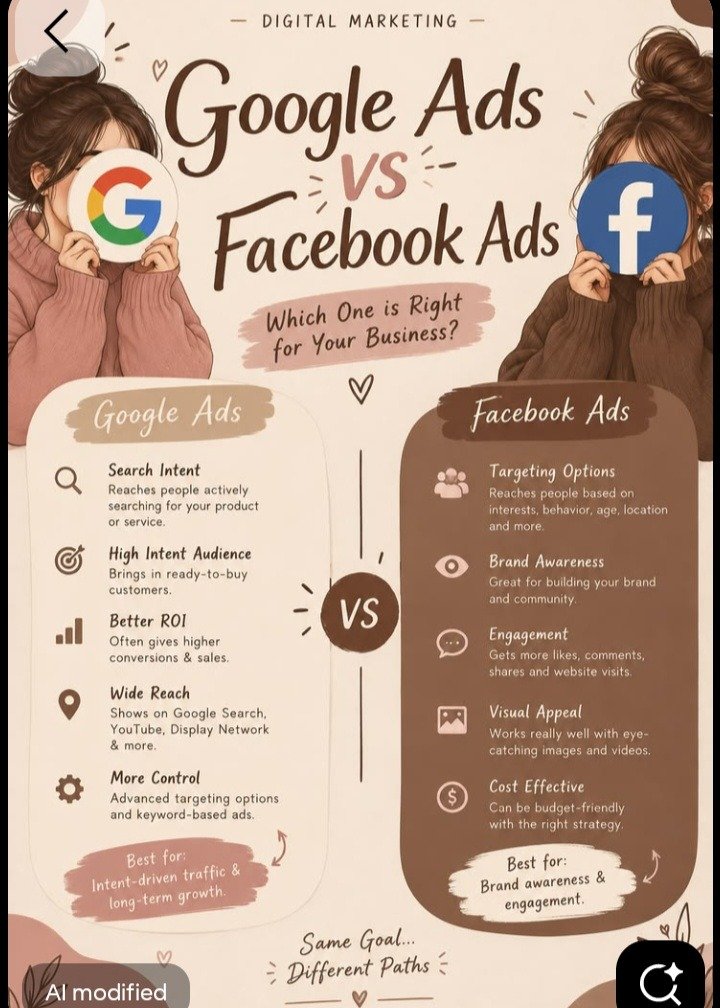
1. User Intent
Google users are actively looking for a solution. Someone searching “emergency dentist open now” is ready to act, so conversions tend to be faster.
Facebook users are browsing, not shopping. They may love your product, but you have to spark their interest first. Conversions often take longer, but the potential audience is much larger.
2. Targeting Options
Google targets by keywords, location, device, and search behavior. You reach people based on what they type.
Facebook targets by demographics, interests, behaviors, and lookalike audiences. You can reach women aged 25 to 34 who love fitness and live near your gym, even if they have never searched for one.
3. Cost
Costs vary by industry and competition. Competitive Google keywords (legal, insurance, home services) can be expensive per click. Facebook usually has a lower cost per click and per impression, which suits brand awareness on a tight budget.
But cheaper clicks don’t always mean cheaper customers, so judge each platform by cost per lead or cost per sale. For a realistic view of what to spend, read Moreed’s guide to digital marketing budgets at every stage.
4. Ad Format
Google search ads are short, text-based, and direct. Facebook ads are visual, using images, carousels, short videos, and Reels. If your product looks good, such as fashion, food, decor, or beauty, Facebook gives you a stronger canvas.
5. Speed Of Results
Google Ads often delivers leads within days because you are meeting active demand. Facebook Ads usually needs a short learning period and creative testing before it performs consistently. Moreed’s article on how long digital marketing takes to show results explains realistic timelines for ads, SEO, and content.
When Should A Small Business Choose Google Ads?
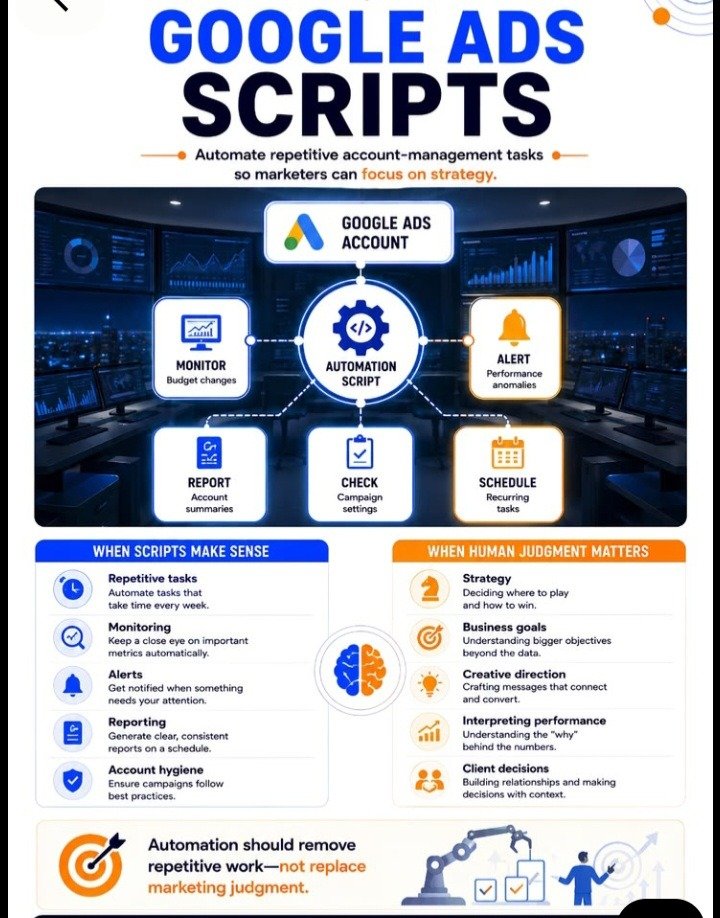
Google Ads is the better fit when:
Many customers already search for your product or service.
We offer local or emergency services, including plumbers, locksmiths, and clinics.
Leads or sales quickly are your goal.
This product solves an urgent problem.
Aim to capture buyers who are ready to purchase.
How Much Should A Small Business Spend On Ads?
Start with a modest monthly budget, test for a few weeks, and scale what works. Track conversions and increase spending only when you see a positive return.
When Should A Small Business Choose Facebook Ads?
Facebook Ads is the better fit when:
● You sell visual or impulse-buy products
● People don’t yet know your product exists
To build brand awareness and a community is the goal.
● You want to re target website visitors and past customers
● You have a limited budget and want inexpensive reach
Businesses that want help running social campaigns can look at Moreed’s social media management and marketing services.
Can I Run Google Ads And Facebook Ads At The Same Time?
Yes. Using both lets you capture people who are searching and also reach people who haven’t discovered you yet. Keep your tracking and messaging consistent across both.
Google Ads vs Facebook Ads: Which Gives Better ROI?
Neither platform wins in every case. However, ROI depends on your industry, offer, landing page, and campaign setup. A simple rule of thumb:
● Google Ads captures demand that already exists.
● Facebook Ads creates demand that doesn’t exist yet.
Service businesses with urgent customer needs often see stronger early returns from Google. E-commerce and lifestyle brands often do well on Facebook and Instagram. Many successful small businesses use both: Facebook to build awareness, Google to close the sale.
How to Decide: A Quick Checklist
Ask yourself these questions:
- Do people search for what I sell? If yes, start with Google.
- Is my product visual or emotional? If yes, start with Facebook.
- Do I need leads this week? Lean toward Google.
- Am I building a brand from scratch? Lean toward Facebook.
- Is my budget small? Pick one platform and master it before adding another.
Tips for Getting The Most From Either Platform
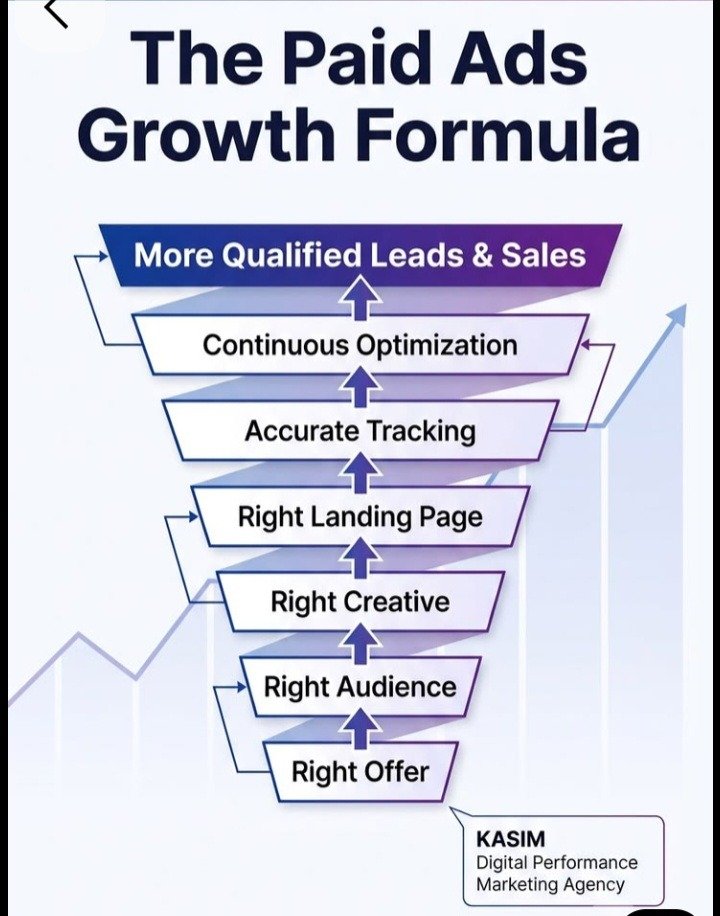
● Define a clear goal. Calls, form fills, purchases, and foot traffic each need a different setup.
● Build a strong landing page. Even the best ad fails if the page it leads to is slow or confusing. Professional website design and development from Stratvora or web development from Moreed can help turn clicks into customers.
● Track conversions. Install the Google tag and the Meta Pixel from day one.
● Test creatives. Run two or three ad variations and keep the winner.
● Re-target visitors. Most people don’t buy on the first visit, so remind them.
● Review weekly. Pause what wastes money and scale what works.
● Have a plan. Ads perform best inside a wider plan. Moreed explains how a digital marketing strategy is and how to build one.
What Is The Difference Between Social Media Ads And Search Ads?
Search ads appear when someone types a query into a search engine, so they reach people with active intent. Social media ads appear in feeds based on interests and behavior, so they reach people who weren’t looking but may be interested.
Should You Manage Ads Yourself or Hire An Agency?
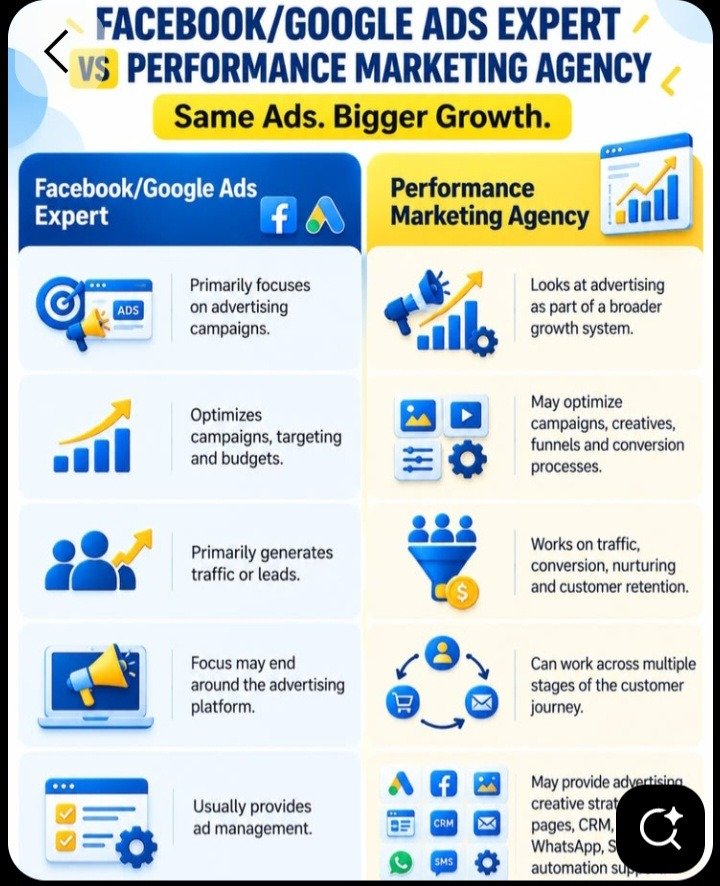
Running ads in-house saves money but takes time to learn, and early mistakes can burn your budget. An agency brings experience, tested strategies, and reporting. If you are weighing the options, this comparison of a digital marketing agency vs a freelancer can help you decide.
If you want expert support, you can explore Moreed’s digital marketing services, their AI advertisement service, or Stratvora’s digital and performance marketing services, which cover Google Ads, Facebook Ads, Instagram, and more.
How Long Does It Take To See Results From Paid Ads?
Google Ads can produce clicks and leads within days. Facebook Ads often needs one to two weeks of testing before performance stabilizes.
Final Verdict: Which Platform Should You Use?
If customers already search for what you offer and you want quick, high-intent leads, start with Google Ads. If you need to build awareness, show off visual products, or reach a specific audience cheaply, start with Facebook Ads.
The smartest long-term approach is often a combination. Begin with the platform that matches your customer’s buying behavior, track your results, and expand once you have a profitable system. In the Google Ads vs Facebook Ads decision, the right answer is the one that fits your goals, budget, and audience.


One Response