







If you’ve ever searched Google for “coffee shop near me” or “best plumber in [city],” you’ve experienced SEO in action; you just didn’t see it happening. So, what is SEO for small businesses, exactly, and why does it matter so much for companies trying to grow?
In simple terms, SEO (Search Engine Optimization) is the practice of improving your website so it shows up higher in search results when potential customers are looking for what you offer.
For small businesses especially, SEO isn’t a “nice to have”; it’s often the difference between being found by a ready-to-buy customer and being invisible on page two of Google, where almost nobody clicks.
In this guide, we’ll break down what SEO actually means, how SEO works behind the scenes, and why investing in SEO services for small business owners is one of the smartest long-term moves you can make. If you’re new to “Stratvora” explore how we help businesses grow online, you can also learn more about us on our home page.
What Is SEO for Small Businesses, Exactly?
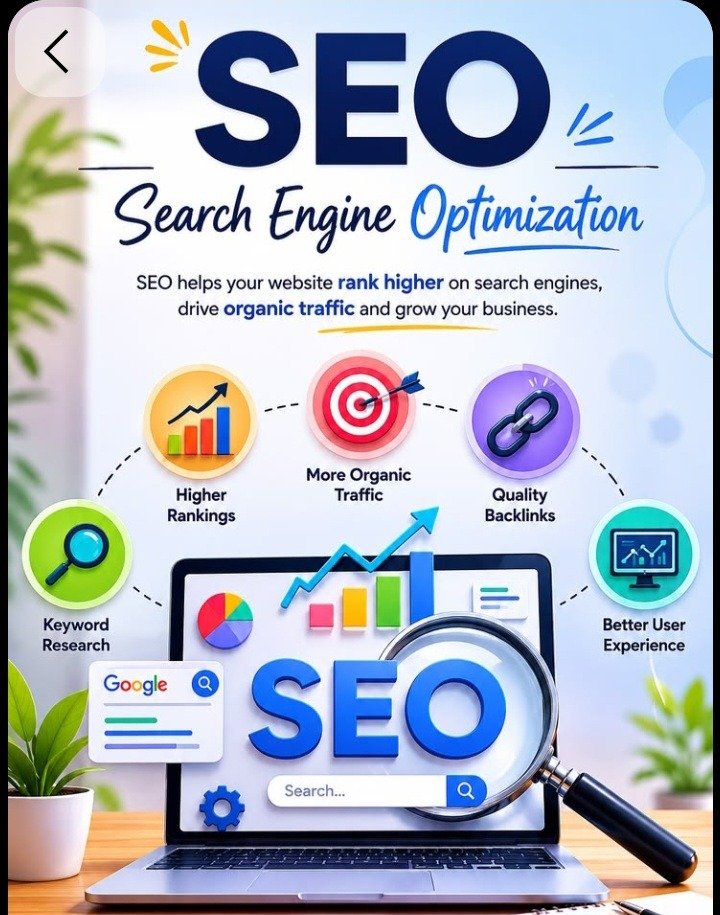
SEO stands for Search Engine Optimization. At its core, it’s the process of making your website more attractive both to search engines like Google and to the people using them.
When someone types a question or phrase into Google, the search engine scans billions of web pages and tries to serve up the most relevant, trustworthy, and useful results. SEO is how you signal to Google that your website deserves to be one of those results.
For a small business, this might look like:
● A local bakery showing up when someone searches “custom birthday cakes near me”
● A law firm appearing when someone searches “family lawyer in [city]”
● An online boutique ranking for “handmade leather wallets”
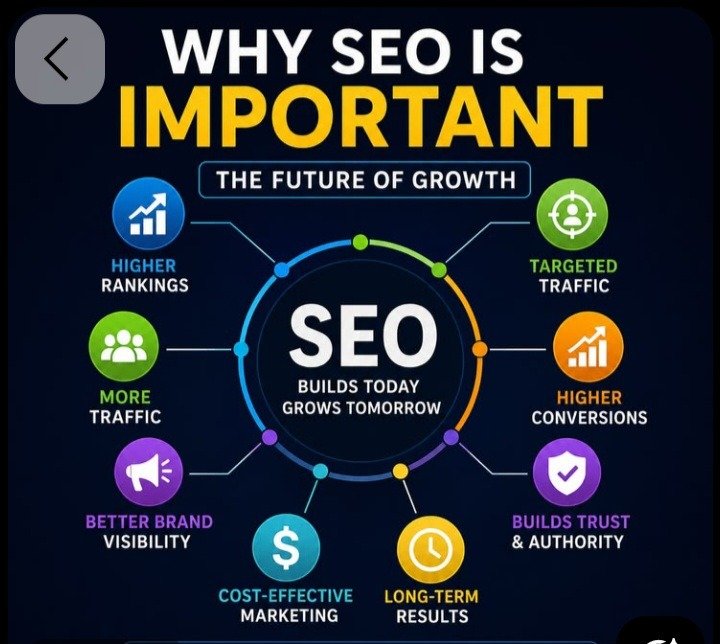
Unlike paid ads, which disappear the moment you stop paying, SEO builds long-term, sustainable visibility. It’s a marketing channel that keeps working for you 24/7, even while you sleep.
What Does SEO Mean In Simple Terms?
SEO stands for Search Engine Optimization the process of improving your website so search engines like Google understand it, trust it, and show it to people searching for what you offer.
In simple terms, it’s how your business gets found online without paying for ads.
How SEO Works: A Simple Breakdown
Understanding how SEO works doesn’t require a technical background. It generally comes down to four core areas working together.
1. On-Page SEO
This refers to everything on your actual website pages: your content, headlines, images, and structure. Search engines look at things like
● Whether your page content matches what someone is searching for
● How your headings and titles are structured
Whether your content is genuinely useful and well-written
● How fast your pages load and how easy they are to navigate
Good on-page SEO means writing content that answers real questions your customers are asking, using the language they actually search with.
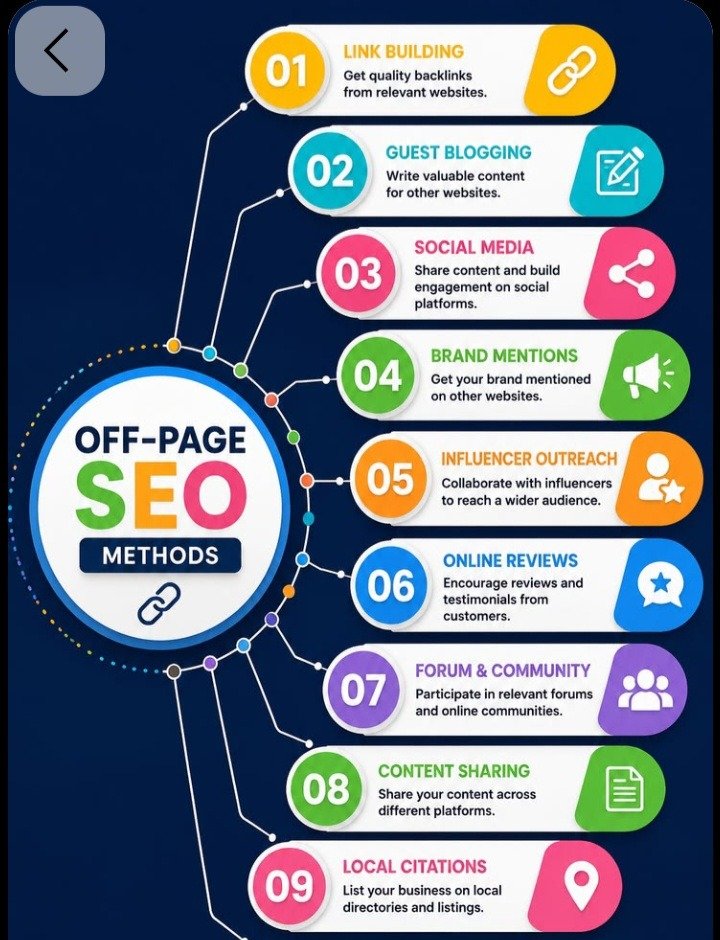
2. Off-Page SEO
Off-page SEO happens outside your website. The biggest factor here is backlinks to other reputable websites linking back to yours.
Think of each backlink as a vote of confidence. When trustworthy sites link to you, search engines see your business as more credible and authoritative.
Off-page SEO can also include mentions on social media, guest articles, local business directories, and online reviews.
3. Technical SEO
This is the behind-the-scenes plumbing of your website. It includes things like:
● Making sure Google can properly “crawl” and index your site
● Having a mobile-friendly design
Secure site connections (HTTPS)
● Clean, organized site architecture
Even the best content in the world won’t rank well if search engines struggle to access or understand your site technically.
4. Local SEO
For most small businesses, local SEO is especially important. This involves optimizing your Google Business Profile, getting listed in local directories, and gathering customer reviews, all of which help you show up in local map results and “near me” searches.
Together, these four pieces make up the full picture of how SEO works. When they’re all aligned, your website becomes far more likely to rank higher and attract consistent, relevant traffic.
Is SEO Still Worth It With AI Search And Voice Search Growing?
Yes, if anything, SEO fundamentals matter more now. AI-generated answers and voice search results still pull from well-optimized, relevant, and fast-loading websites.
Businesses that write clear, question-based content and maintain strong technical SEO are the ones most likely to get cited by AI tools and voice assistants alike.
Why Your Business Actually Needs SEO
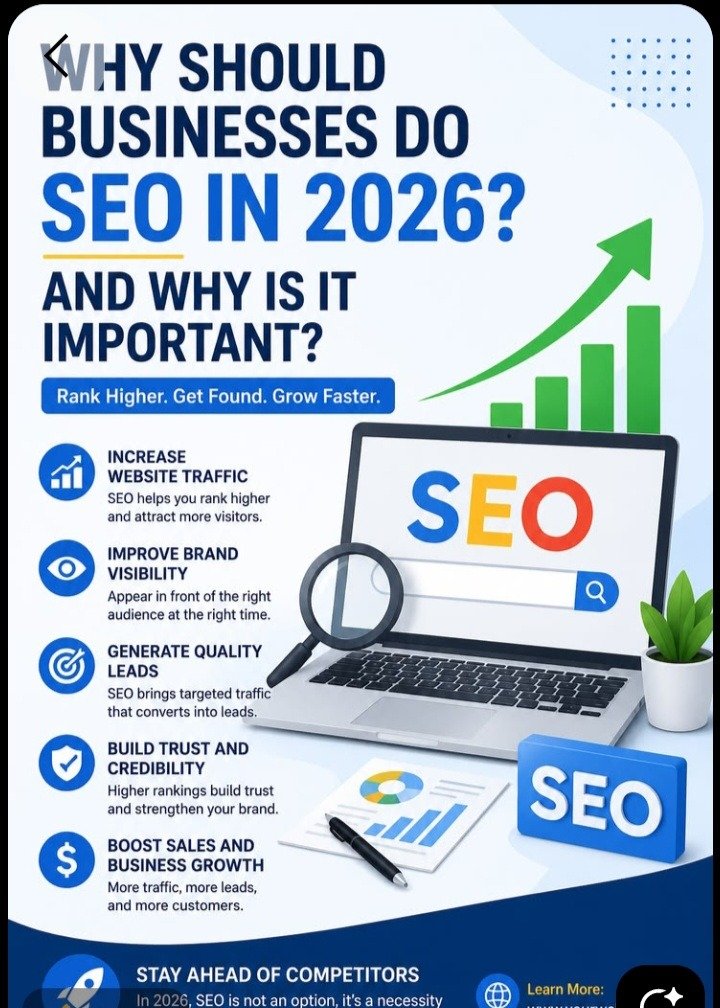
It’s easy to assume SEO is only for big brands with big budgets. In reality, it’s often small and local businesses that benefit the most. Here’s why.
1. Most customers start their journey on Google.
Before people call a business, visit a store, or make a purchase, they search online first. If you’re not visible in those search results, you’re losing customers to competitors who are.
2. It builds trust and credibility.
People tend to trust businesses that appear at the top of organic search results. Ranking well signals that your business is established, relevant, and reputable even before a customer visits your site.
3. It targets people who are already looking for you.
Unlike many forms of advertising that interrupt people, SEO connects you with people actively searching for your product or service. This is often called “intent-based” traffic, and it tends to convert better than cold outreach.
4. It’s cost-effective over time.
Paid ads can generate quick traffic, but that traffic disappears the moment your budget runs out. SEO requires upfront investment and patience, but it continues generating traffic and leads long after the initial work is done, making it one of the best long-term returns in digital marketing.
5. It levels the playing field.
You don’t need a massive advertising budget to compete. With the right strategy, a small business can outrank larger competitors for specific searches, especially local ones.
6. It supports every other part of your marketing.
A well-optimized website makes your social media, email marketing, and paid ads more effective too, since it gives all that traffic a strong, trustworthy destination to land on.
How Does SEO Work For A Small Business Specifically?
SEO works by aligning your website’s content, structure, and reputation with what search engines look for when ranking pages.
For small businesses, this often means optimizing for local searches (like “near me” queries), targeting specific keywords your customers actually use, and building trust through reviews, backlinks, and helpful content rather than trying to compete broadly with national brands.
What Do SEO Services For Small Businesses Include?
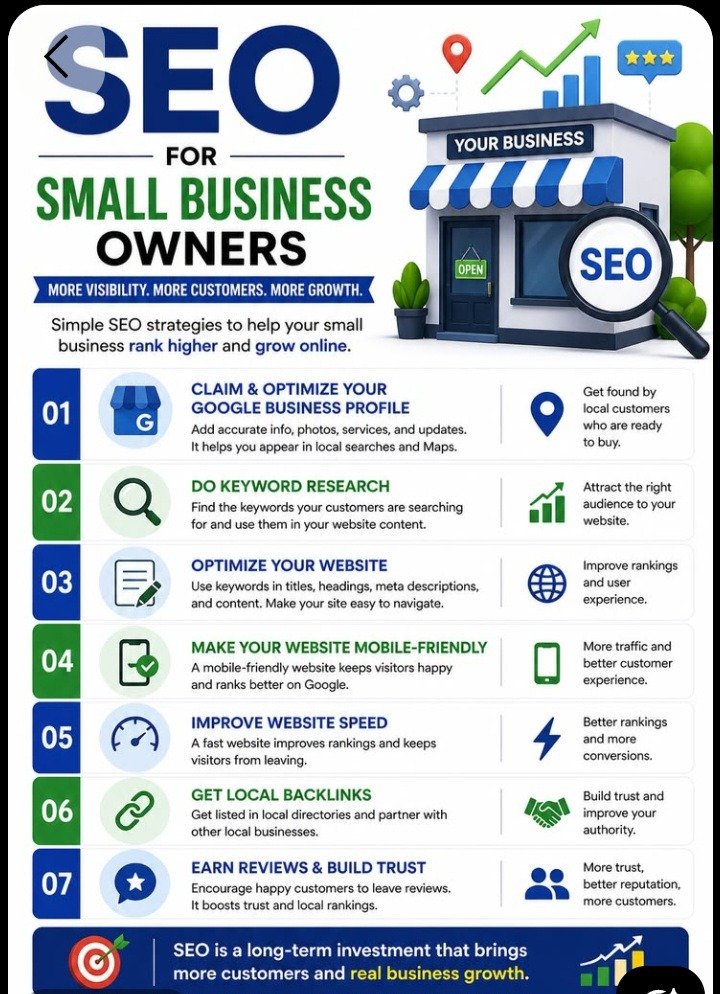
If managing all of this sounds like a lot, that’s because it can be especially while you’re busy running your business. This is where professional SEO services for small business owners come in.
Typically, SEO services include:
● Keyword research: identifying the exact terms your potential customers are searching for
● On-page optimization: improving your website’s content, titles, and structure
● Technical audits: fixing issues that prevent search engines from properly crawling your site
● Content strategy: creating blog posts, guides, and pages that answer customer questions
● Local SEO management: optimizing your Google Business Profile and local listings
● Link building: earning credible backlinks to boost your site’s authority
● Performance tracking: measuring rankings, traffic, and conversions over time
A good SEO partner doesn’t just chase rankings; they focus on attracting the right visitors and turning them into paying customers. You can see how we approach this on our services page.
How Much Does SEO Cost For Small Business?
SEO costs vary widely depending on your goals, competition, and whether you handle it yourself or hire an agency or consultant.
Unlike paid ads, SEO doesn’t require ongoing ad spend the investment goes into strategy, content, and technical work instead, making it a cost-effective option over time.
Common SEO Myths, Debunked
Before wrapping up, it’s worth clearing up a few misconceptions that often hold small business owners back.
● SEO is a one-time task.
In reality, SEO is ongoing. Search engines regularly update their algorithms, competitors adjust their strategies, and your business itself evolves. Consistent maintenance keeps your rankings strong.
● SEO delivers instant results.
SEO is a long-term strategy. While some improvements can show up within weeks, meaningful, lasting results typically take a few months to build momentum.
● I don’t need SEO if I run paid ads.
Paid ads and SEO serve different purposes. Ads offer quick visibility, but SEO builds sustainable, long-term traffic that doesn’t disappear when your ad budget does. The strongest strategies often use both together.
● SEO is only about keywords.
Keywords matter, but modern SEO is about relevance, user experience, site speed, trustworthiness, and genuinely helpful content, not just stuffing pages with search terms.
Why Do Small Businesses Need SEO If They Already Run Paid Ads?
Paid ads stop generating traffic the moment your budget runs out. SEO builds long-term, sustainable visibility that keeps working even when you’re not actively spending.
Most businesses get the best results using both ads for immediate visibility, SEO for lasting growth.
How To Get Started With SEO
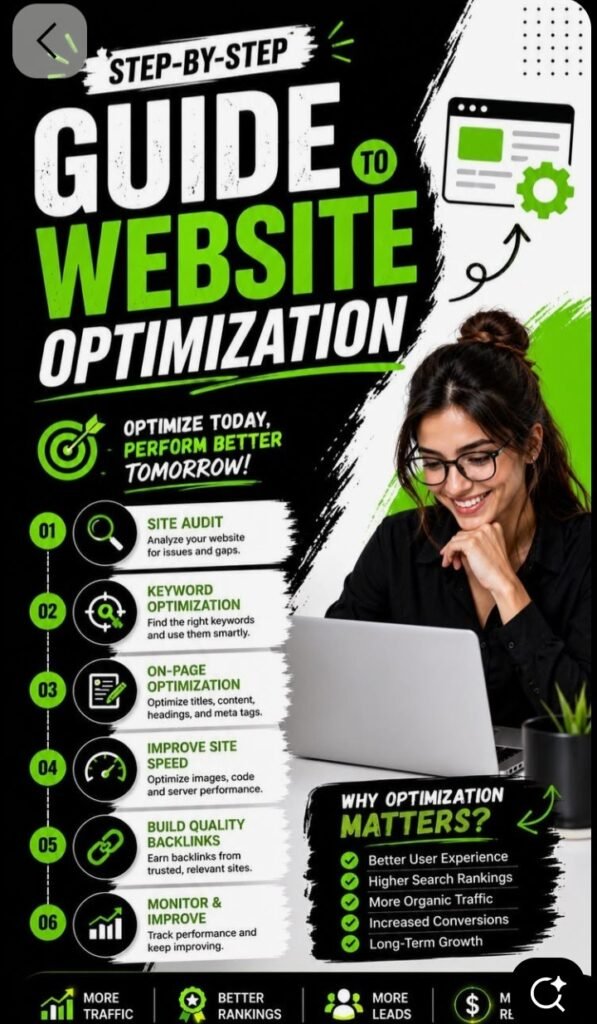
If you’re ready to take SEO seriously, here’s a simple starting point:
1. Audit your current website to identify technical issues and content gaps.
2. Research the keywords your potential customers are actually using.
3. Optimize your existing pages with clear, helpful, keyword-relevant content.
4. Claim and optimize your Google Business Profile if you serve local customers.
5. Create a content plan to consistently publish useful blog posts and resources.
6. Track your progress using tools like Google Search Console and Google Analytics.
SEO isn’t about gaming the system; it’s about making your website genuinely more useful and easier to find.
The businesses that succeed with SEO are the ones that stay consistent and patient.
How Long Does SEO Take To Show Results?
SEO is a long-term strategy, not an overnight fix. While small improvements can appear within weeks, meaningful ranking movement typically takes a few months of consistent effort, since search engines need time to crawl, index, and evaluate your site’s relevance and trustworthiness.
Final Thoughts
So, what is SEO for small business, at the end of the day? It’s the foundation of being discoverable in a world where almost every buying decision starts with a search engine.
Understanding how SEO works and investing in it consistently can be one of the most valuable long-term decisions you make for your business’s growth.
If you’re ready to stop guessing and start building real, sustainable visibility online, we’d love to help. Contact us today to talk about how our SEO services for small business owners can help you get found by the customers who are already searching for you.


2 Responses